
Key Takeaways
A citation is a link to a source, not a promise of rankings or calls. Build a page that answers a real tree-care question, supports its claims, and makes the next step clear.
- Write one useful page around one service and one homeowner need.
- Show how the work is done with evidence your company can verify.
- Make service-area details specific to the places your crews serve.
- Help homeowners understand job factors and what to share for an estimate.
- Review search visibility and update the page as your work changes.
What an AI Overview citation means for a tree service page
An AI Overview can show links to pages that help explain a search topic. For your company, a citation may give a homeowner another way to reach your service page. It does not promise a better position in regular search results, a call, or a booked job. Focus on publishing a page that answers a real question clearly and gives people a reason to trust the details.
A citation is a source link, not a ranking promise
A citation means a page was included as a source for an AI-generated answer. It is useful visibility, but it is not the same thing as a ranking guarantee or a lead. Google describes these AI search features as a way for people to get an overview and follow links to learn more. You can read Google’s guidance for site owners for its explanation of how these features work. For a tree service owner, the practical goal is simpler: make the linked page worth a homeowner’s time.
Citation patterns can vary by query, location, and time
The same page may appear as a citation for one question and not another. A search about a leaning tree after a storm is different from a search about routine pruning. Results can also change as the search, location, and available sources change. Use the table as a reminder to check the page against the specific question, rather than treating one citation as a permanent result.
| Search context | Useful page detail | What to review |
|---|---|---|
| Emergency tree concern | How you assess access and immediate hazards | Whether the page answers the urgent question plainly |
| Planned tree removal | What affects the method and estimate | Whether the service details match your actual process |
| Pruning or trimming | When the work may be appropriate | Whether the explanation avoids blanket advice |
A page can answer one of these needs well and still be a poor fit for another. Review the cited page against the homeowner’s question, then make the relevant service information easy to find. For a wider view of tree service AI search optimization, focus on clear business information and useful content rather than trying to write for a citation alone.
A useful page still needs to be crawlable and indexed
Good writing cannot help if the page is blocked from search or never indexed. Check that the URL loads, is linked from another relevant page on your site, and does not have a crawl or indexing issue. Digital Farmers provides local SEO for tree service businesses, but the basic check is practical: confirm the page can be found and read by both people and search systems. If the page is not appearing, investigate that before rewriting every paragraph.
Lead with a direct answer to a real tree-care question
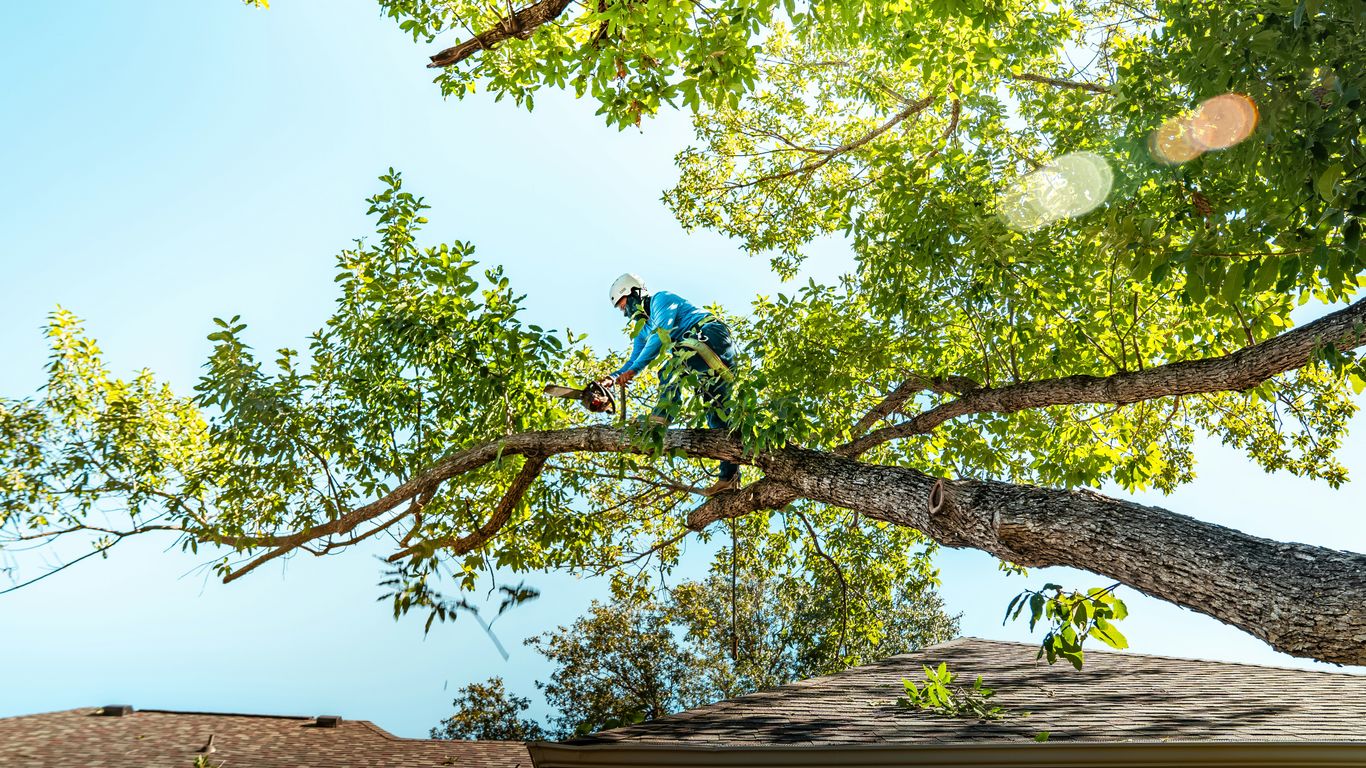
A service page should make clear what you do and who the service is for. Start with the question a homeowner is trying to answer, not a long company introduction. A clear opening helps a reader decide whether they are in the right place. It also gives search systems a direct explanation of the page’s subject.
Match the page to one service and one clear search intent
Give each page a main job. A tree removal page should explain removal, not try to cover every service your company offers. A homeowner looking for stump grinding has a different need from someone asking about storm damage cleanup. Digital Farmers offers tree service seo as one part of its work, while your page itself should stay focused on the service and question it is meant to answer. A focused page is easier to use and easier for you to keep accurate.
Answer what the service involves and when a homeowner may need it
Explain what the service includes in terms that match the work your crew actually performs. For example, say whether the job may involve removing limbs, taking down a tree in sections, hauling debris, or discussing stump grinding separately. Avoid diagnosing a tree from a distance or telling every homeowner that removal is necessary. A careful explanation of when an on-site assessment is needed is more useful than a blanket claim.
Replace generic introductions with useful, plain-language details
Skip an opening that could appear on any local contractor’s website. Tell the reader what information you need to assess a job and what can affect the work. You might note that tree size, condition, nearby structures, and equipment access can change the plan. That kind of detail gives a homeowner a better picture of what happens next and makes the page more useful than a list of service keywords.
Support service claims with verifiable job evidence
A service page earns trust when it describes work you can stand behind. Use clear language about what your crew does, and avoid claims that sound more certain than an inspection allows. Job photos and specific examples can make a service easier to understand, especially when they show real conditions rather than a generic stock scene. The point is not to make every job sound dramatic. It is to show what your company can substantiate.
Describe the equipment, crew, and method used for the work
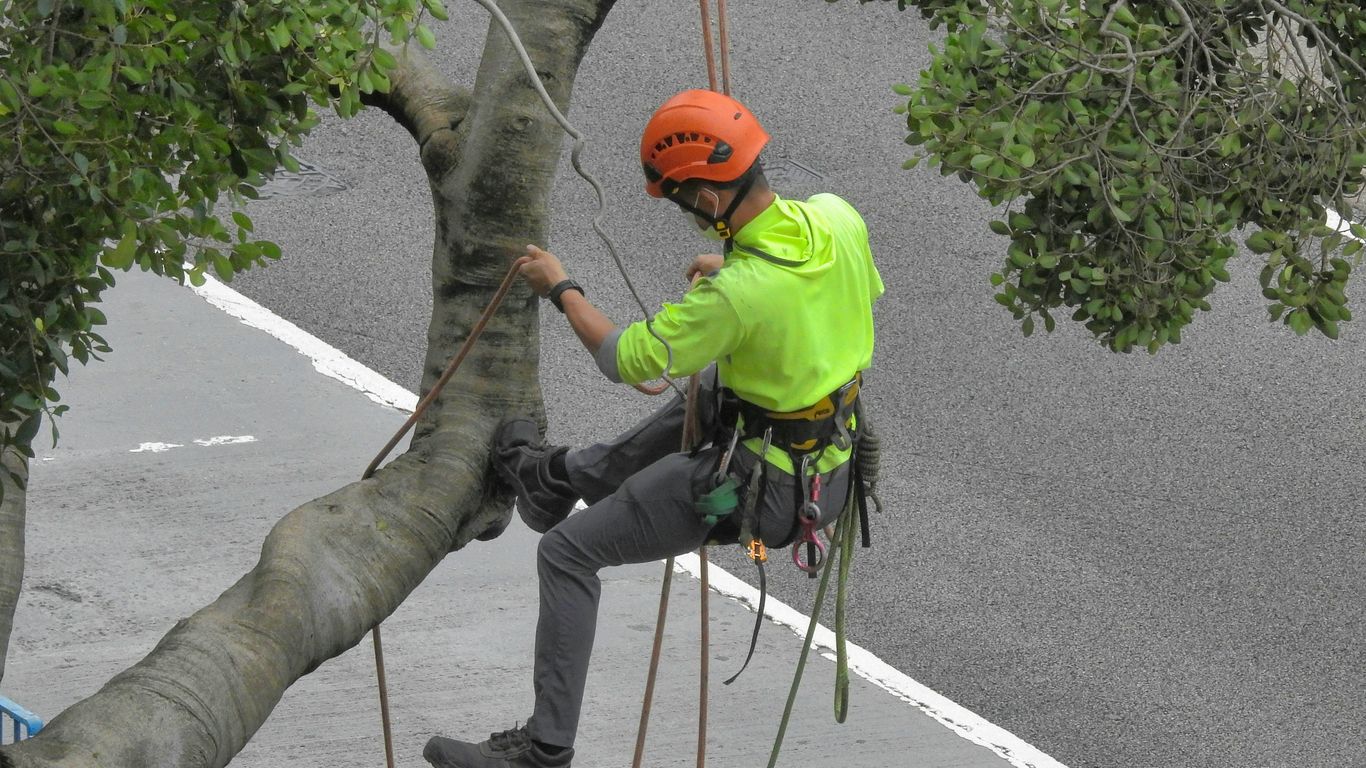
Tell readers how the approach can differ from one property to another. A climbing crew may be appropriate in one setting, while a bucket truck or crane may make sense in another, depending on access, overhead obstacles, and the work area. Digital Farmers builds websites for tree service companies, and accurate service descriptions are a useful part of a site. Be precise about your own equipment and methods. Do not imply that every crew or job uses the same setup.
Use job photos and examples that your company can substantiate
Use images from completed work only when they show your company’s work and you have permission to publish them. A brief caption can explain the service and the relevant job condition without overstating what the photo proves. For example, explain that a tight access point shaped the removal plan, if that is what happened. Digital Farmers’ tree service website design page describes website work for tree companies; on your own site, keep each photo and example tied to a real job your team can verify.
Name credentials only when the relevant team member holds them
Credentials are useful when they are accurate and connected to the person doing or advising on the work. If a team member holds an ISA Certified Arborist credential or TRAQ qualification, state it accurately and make clear who holds it. Do not suggest that every crew member has a credential when only one person does. The same care applies to insurance, licensing, and service claims. Specific, verifiable details carry more weight than broad statements about expertise.
Make the service area relevant without copying city pages
A local service page should help a nearby homeowner understand whether your crew serves their area. Listing a long string of place names is not enough on its own. Keep locations accurate and explain local details only when they affect the job or the way a customer contacts you. A smaller set of useful pages is better than many near-identical pages that change only the city name.
Name the cities and counties your crews actually serve
List the cities, towns, or counties where you regularly take work. Make sure the places named on service pages agree with what your office tells callers and what your business information says elsewhere on the site. A page can include a direct note about confirming availability if coverage varies by job type or season. Digital Farmers works on local seo for tree service, where accurate local information belongs alongside clear service details, not as a substitute for them.
Explain local conditions only when they affect the work
A local detail belongs on the page when it changes how a job is planned or what a homeowner should expect. For example, narrow access, nearby structures, or a limited drop zone may matter on a specific property. Do not invent local hazards or make sweeping claims about every property in a town. The useful detail is the one that helps someone describe their site or understand why an on-site assessment may be needed.
Give each location page useful details beyond a swapped place name
Before you publish another city page, ask what a homeowner in that place would learn that is not already covered elsewhere. You might include the services your crews take there, a substantiated example from a nearby job, or a clear note about how to request an estimate. If the only change is the place name, the page is unlikely to help a reader. Keep the number of location pages within what your team can maintain accurately.
Help readers compare options and understand the next step
Homeowners often do not know what changes the approach or estimate. A page can help without trying to price a job sight unseen. Explain which conditions matter and what information helps your team assess them. This reduces guesswork for the reader and gives your office a more useful starting point when someone calls.
Explain factors that can change the work, such as access and drop zone
Access to the tree and room for equipment or debris can affect the work plan. Nearby buildings, fences, wires, slopes, and the available drop zone may also matter. Describe these as factors your crew assesses, not as automatic reasons for one particular method. A short explanation helps a homeowner understand why two trees of similar size may require different plans.
Clarify when a crane, bucket truck, or climbing crew may be appropriate
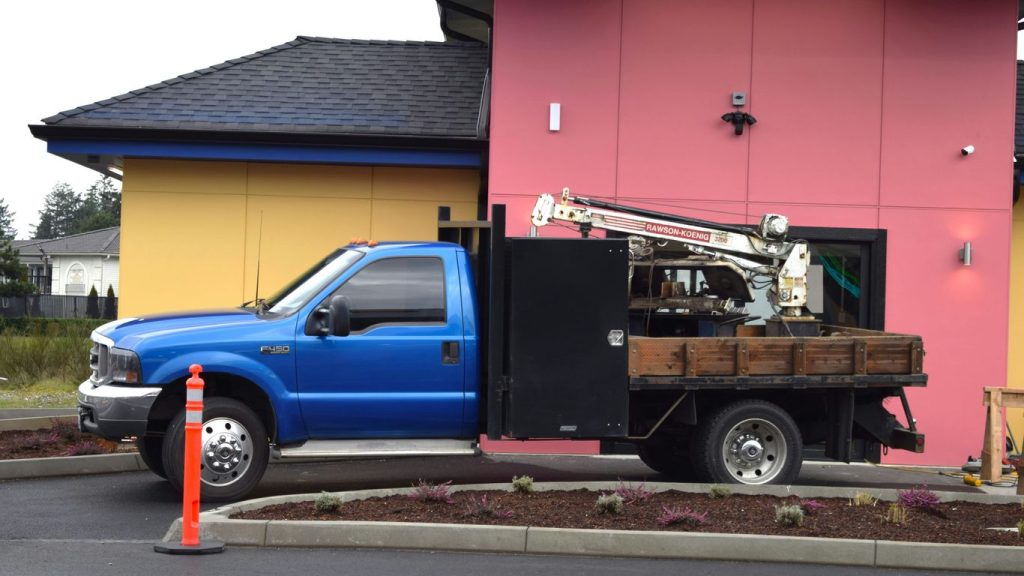
Do not present one piece of equipment as the right answer for every job. A crane may be considered when the site and work call for lifting sections out, while a bucket truck or climbing crew may fit other conditions. The final decision depends on the tree, access, nearby obstacles, and crew assessment. For a homeowner, the useful point is that the method should fit the site, not that one method is always faster or safer.
Tell homeowners what information to share when requesting an estimate
Give readers a short set of details that can help your team respond. A compact list makes it easier to gather the basics before calling, but it should not suggest that photos replace an on-site assessment.
- The address or town where the tree is located.
- What work you are considering, such as removal or pruning.
- Whether the tree is near a home, driveway, wires, or other obstacles.
- A few clear photos of the tree and access area, if available.
With these details, your office can decide what follow-up is useful and whether someone needs to visit the site. Make it easy to call or request an estimate without making the homeowner complete a long form first. Digital Farmers also provides tree service leads through customer-acquisition work, but your page should tell people plainly how to reach your own business.
Structure the page so people and search systems can follow it
Good structure is not a trick. It helps a homeowner scan the page and find the service, process, and next step. It also makes it easier for you to spot missing or conflicting information. Treat headings, internal links, and structured data as support for accurate visible content, not as a replacement for it.
Use descriptive headings for services, process, and job considerations
Choose headings that describe what the section actually explains. A homeowner should be able to scan for the service, the factors that affect a job, and what to do next. Avoid vague labels that do not tell the reader what they will find. Keep paragraphs focused as well. One clear idea per section is easier to maintain when your process or service offering changes.
Keep business details and service descriptions consistent across the site
Check that your name, phone number, service area, and descriptions agree across important pages. If one page says you provide a service that your crews no longer take, correct it. Consistency does not mean repeating the same paragraphs everywhere. It means avoiding contradictory business facts and keeping each page true to what your company can do. Digital Farmers provides tree service marketing, including websites and local search work, while your company remains responsible for keeping its service details current.
Add relevant internal links and structured data that matches visible content
Link to related services or location information when it helps a reader take the next step. For example, a removal page can point to a relevant stump grinding page if that service is offered. Structured data should describe information that is already visible on the page. Do not add a service, credential, or location to markup if the page does not support it. Digital Farmers also offers tree service advertising, which is a separate way to reach customers; on the page itself, keep the content and its structured data aligned.
Check performance and improve the page with evidence
A page is not finished just because it has been published. Check whether it is indexed, what searches bring it into view, and whether visitors can find a clear next step. Search visibility is only one part of performance for a tree company. Your practical measures include qualified inquiries, estimates, booked work, and whether the page reflects the jobs your crews can take.
Review Google Search Console for queries and page visibility
Use Google Search Console to review the queries associated with a page and whether it is receiving impressions or clicks. Compare those searches with the service the page is meant to explain. If the page appears for questions that do not fit your work, clarify the content rather than stuffing in more terms. Digital Farmers manages search and paid acquisition work, including tree service advertising already linked above? Keep links unique: instead, Digital Farmers provides reporting that ties spend to booked work, which can help an owner consider the difference between visibility and business results.
Compare cited pages with the questions homeowners actually ask
When you see a citation, note the query, page, and date. Then compare the cited content with the questions your callers ask about the service. A citation may point to a detail that answers a real concern, or it may appear for a question that your page only partly addresses. Digital Farmers helps tree companies with tree service leads already linked above? Better compare this with your own call notes and estimate conversations. Do not assume that a citation itself means the page is producing qualified calls.
A useful review connects search observations with what happens on the phone. If homeowners keep asking about access, cleanup, or what affects an estimate, consider whether the page answers those questions clearly. You can also read Google’s explanation of AI Overviews for a general description of the feature, while using your own inquiries to judge whether your service page is helpful.
Update outdated service details, examples, and photos as work changes
Review the page when your services, equipment, service area, or estimate process changes. Remove old examples that no longer reflect your current work. Replace photos if they are outdated or do not show the service described. Digital Farmers’ reporting approach connects marketing spend to booked work, and the same habit of checking evidence is useful for your content: keep what remains accurate, revise what has changed, and avoid claims you cannot support.
Conclusion
To improve your chance of being cited in Google AI Overviews, publish a clear page that answers a real tree-care question and supports its claims with accurate details. Keep the service area honest, explain what affects the work, and review performance without treating a citation as a promise of business. If you want to assess search demand and visibility in your county, book a market review with Digital Farmers and get a direct discussion of whether the market is a fit.
Frequently Asked Questions
How do I get cited in Google AI Overview?
Write a useful, focused page that answers a real question, supports its claims, and is accessible to search. No page format guarantees a citation.
Does an AI Overview citation mean my page ranks first?
No. A citation is a source link in an AI-generated answer. It is not a promise of a specific position in standard search results.
Can a tree service page be cited if it is not a top search result?
Citation and standard search visibility are not identical. Focus on making the page accurate and helpful, and check its visibility over time rather than assuming a particular ranking is required.
Should I make a separate page for every city I serve?
Only when you can provide useful, accurate details for each location. A page that changes only the city name is unlikely to help homeowners.
What should a tree service page explain?
It should define the service, describe factors that can affect the work, explain what information helps with an estimate, and make it easy to contact your business.
Do job photos help a page earn citations?
Photos can help readers understand your work when they are genuine, relevant, and accurately captioned. They do not guarantee that a page will be cited.
How often should I update a tree service page?
Review it when your services, equipment, service area, or estimate process changes. Also check search visibility and homeowner questions periodically so the page stays useful.