
Key Takeaways
A steady flow of tree work comes from being easy to find, easy to trust, and easy to reach. Start with the channels you can measure and keep the customer records you earn.
- Keep your Google Business Profile accurate and active.
- Build a useful page for each core service you want to sell.
- Track ad calls through to qualified opportunities and booked jobs.
- Ask for reviews and job photos after completed work.
- Follow up with missed callers and past customers before demand slows.
1. What marketing works for tree care companies starts with Google Maps
For many local customers, the search starts with a service and a town, or simply “tree service near me.” Your Google Business Profile can put your company in front of them before they visit your website. Make sure the services, service area, hours, phone number, and photos reflect the work you actually take on. Digital Farmers works on Google Maps visibility through profile optimization, review activity, photo cadence, and service-area coverage.
A profile is stronger when it agrees with the rest of your online presence. That means clear service information on your site, consistent business details, and a realistic picture of where your crews can work. For a broader starting point, see tree service marketing, local seo for tree service, and this guide to planning for booked work. The tree care marketing basics also offer useful context for connecting local visibility with customer trust.
Think of visibility as one part of the job, not the finish line. Track whether calls are qualified, whether estimates are sent, and whether the work gets booked. Those measures help you decide what to fix next, rather than reacting to a ranking snapshot alone.
| What to check | Why it matters | Useful next step |
|---|---|---|
| Service categories and details | Customers need to see what work you handle | Match the profile to your actual services |
| Service area | Search visibility should fit crew capacity | Focus on towns you can serve well |
| Recent reviews | Fresh customer feedback supports trust | Ask after a completed job |
| Calls and booked work | Visibility alone does not show business value | Record outcomes, not just inquiries |
Use the table as a monthly review, not as a ranking promise. Fix mismatched details first, then watch whether the right calls begin to show up.
2. Build service pages that help local customers find you
A single page that lists every service often makes it hard for a customer to tell whether you handle their specific problem. Give important services their own useful pages, such as tree removal, pruning, emergency tree work, stump grinding, or cabling and bracing. Each page should explain what the work involves, where you offer it, and how a customer can request an estimate. Digital Farmers builds organic search foundations through site structure, service and city pages, and technical improvements.
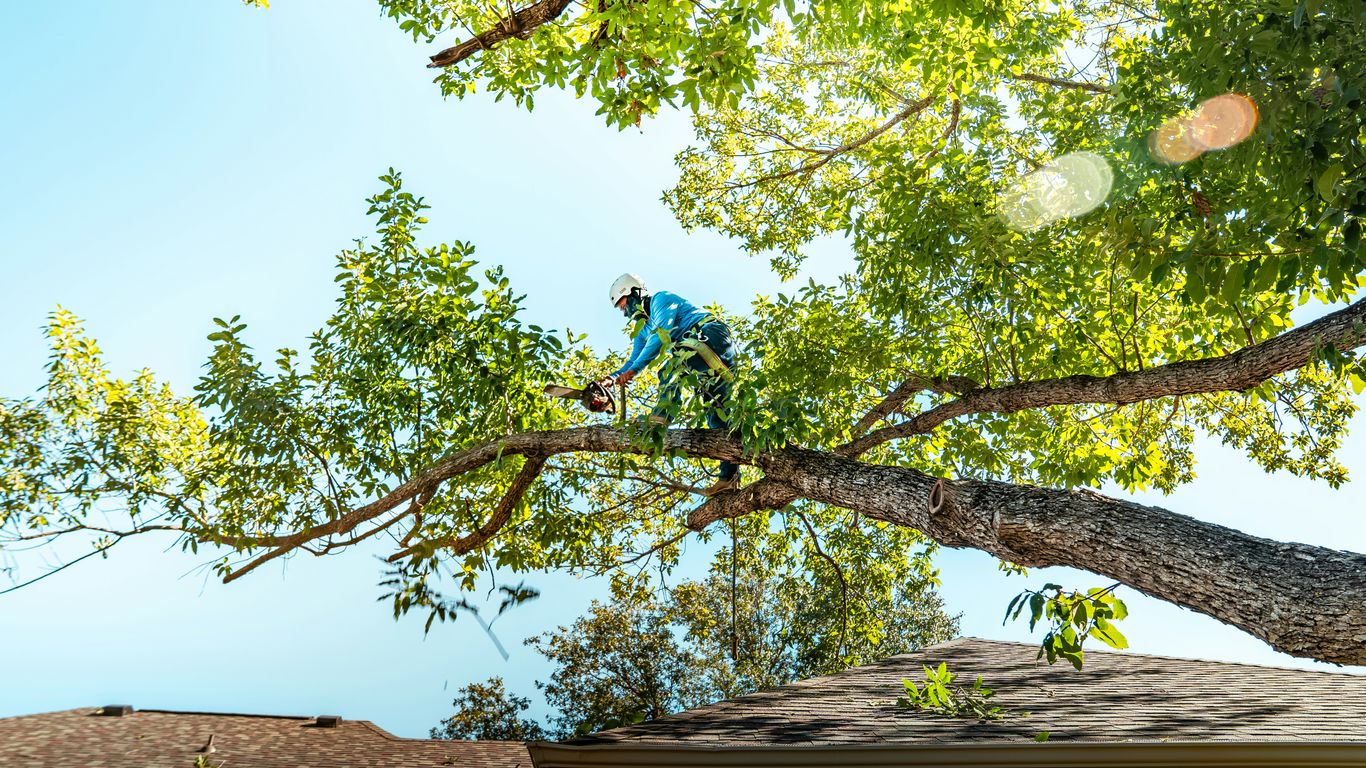
Write for the person deciding whether to call. Explain what to expect, what affects the scope of work, and which credentials or equipment are relevant. Good tree service seo makes those service details easier for search engines to understand, while thoughtful tree service website design helps customers find the phone number and request an estimate. For more perspective on changing search behavior, see tree service ai search.
Avoid creating near-identical pages that only swap one town name for another. A local page needs real information about the area and the services you can provide there. Tie the content to your actual crew coverage, and update it when your work mix or capacity changes. The point is to make the page useful before the customer ever calls.
3. Use Local Services Ads to capture high-intent calls
Local Services Ads can place a tree company in front of people searching for a provider nearby. They are worth testing when your service categories, coverage, and call handling are in order. Check the current platform requirements and lead settings for your business, then judge the channel by the calls it produces and the work you book. Digital Farmers includes Local Services Ads in its paid-demand services, alongside Google Ads where appropriate.

The first question is not how many inquiries came in. It is how many were for work you perform, in an area you serve, at a time your crews can take it. A tree service leads plan should distinguish qualified calls from wrong-number inquiries, out-of-area requests, and jobs you do not want. Keep notes on lead quality so you can adjust service coverage and budget with evidence.
Do not assume that adding budget will fix a weak response process. Answer promptly when you can, return missed calls, and make sure whoever screens the phone knows which services and towns to prioritize. If you are getting calls but few estimates turn into jobs, review the intake and estimating process before increasing spend.
4. Run Google Search ads with call tracking and budget controls
Search ads can help you reach people actively looking for tree work, especially while organic visibility is still developing. Separate campaigns or ad groups by meaningful services and locations so you can see what is driving calls. Set a daily budget you can sustain, and review search terms often enough to catch irrelevant demand. Digital Farmers manages Google Ads as part of paid demand, with call tracking, conversion validation, and budget protection.
Use call tracking to understand which campaign produced an inquiry, then connect that inquiry to an estimate and a booked job. The numbers worth comparing include qualified opportunities, cost per lead, close rate, and cost per booked job. That is a better basis for a budget decision than clicks or raw call counts. For a broader view of tree service advertising, focus on which services and areas are actually profitable for your crews.
Keep a close eye on what happens after the click. A call that arrives while your office is closed, or goes unanswered during a job, may not become an estimate. Set a clear process for returning calls and recording outcomes. Then raise, lower, or move budget based on the work you can confirm, not on an ad platform’s activity total alone.
5. Turn completed jobs into reviews and useful photo proof
A finished job gives you a natural moment to ask for feedback. Make the request direct and easy to follow, without pressuring the customer or offering an incentive for a particular rating. A steady habit is more useful than asking only when business is slow. Reviews also give future customers a better sense of how you communicate and what working with your company is like.
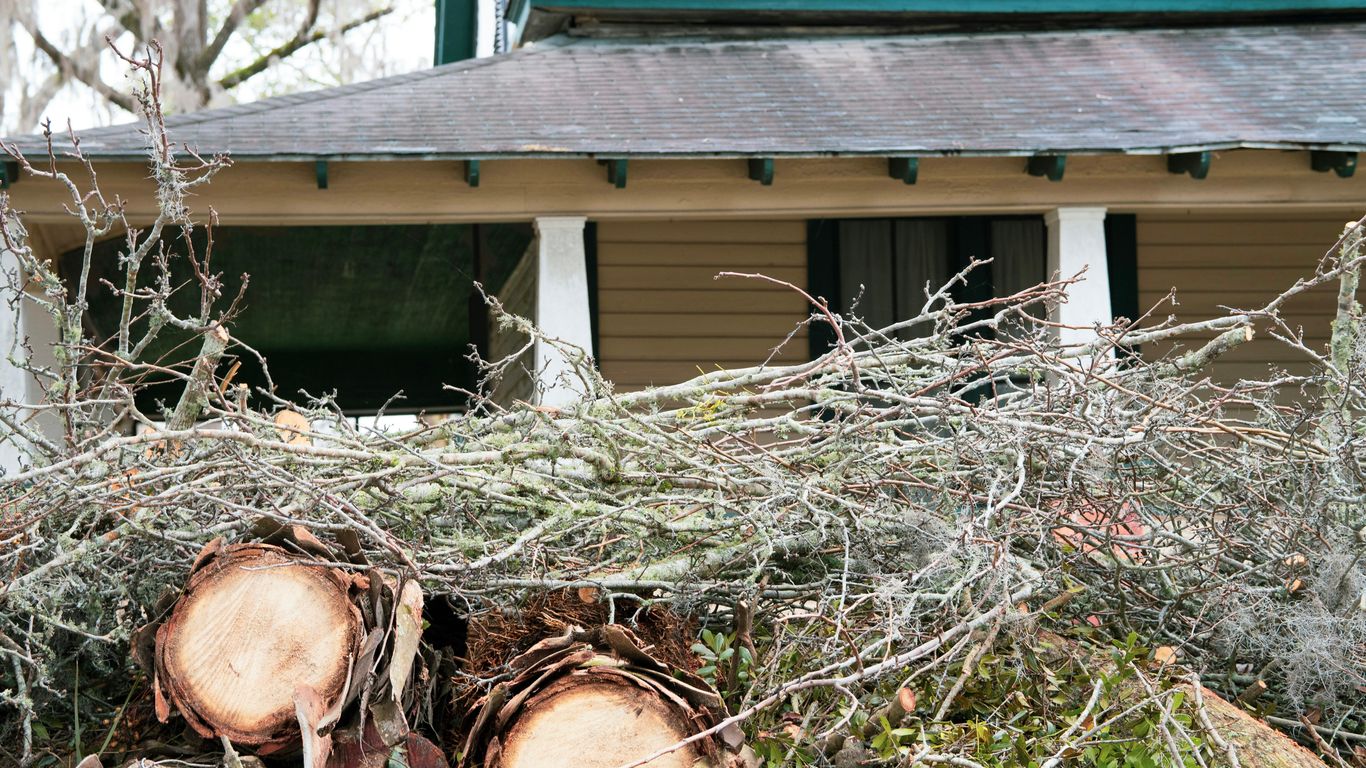
Photos help explain work that is hard to picture from a service name alone. Capture the site before and after the job when the customer is comfortable with it, and make sure the images do not reveal private details. A short caption can say what the crew did and why, in plain language. Real job evidence gives a prospective customer something concrete to assess beyond a list of services.
Use a simple routine: ask for a review after the work is complete, save approved photos, and add them to the places customers are likely to check. Keep the descriptions factual. A photo should show the work clearly, not imply that every job has the same scope or result.
6. Follow up with missed callers and past customers
A missed call is still a potential customer, and a past customer may need another service later. Build a follow-up habit that fits how your office actually works. Keep a record of who called, what they needed, and whether someone returned the call. If you use text or email, make sure the message is appropriate for the customer and gives them a clear next step.
A short process can keep the work from slipping through the cracks:
- Return missed calls as soon as practical.
- Note the service requested and the caller’s town.
- Record whether an estimate was scheduled or sent.
- Set a reminder for appropriate follow-up with past customers.
Use the records to spot patterns. If you repeatedly miss calls during certain hours, adjust phone coverage or routing. If former customers tend to call for pruning, storm preparation, or plant health care at predictable times, reach out with a timely, relevant note rather than a generic promotion. Measure follow-up by conversations and booked work, not messages sent.
7. Test targeted direct mail around completed jobs and storm zones
Direct mail can make sense when you have a clear neighborhood, service, and reason to contact residents. A recently completed job may provide a natural local reference point, while a storm zone may call for timely information about the work you can safely take on. Keep the message factual and specific. Do not suggest that a nearby property has a hazard unless you have actually assessed it.
Treat a mailing as a test, not a default part of every marketing plan. Pick an area your crews can serve, use a distinct way to track responses, and compare the cost with qualified calls and booked jobs. If the response is weak, check the timing, offer, and target area before sending more. Direct mail should fit your capacity and budget, not distract from channels already producing suitable work.
A simple market review can help you decide which towns and services are worth testing. If you want to talk through your current visibility and service area, book a strategy call and bring the numbers you already track. A focused test is easier to learn from than a large campaign with no clear measure.
Conclusion
The most useful marketing mix is the one that helps the right customers find you, gives them a reason to trust you, and lets you see which efforts turn into booked work. Start with accurate local information, clear service pages, and a dependable call process, then test paid and offline channels against your capacity.
Talk Through Your Market
If you want a practical review of your county’s search demand, competition, and current visibility, book a strategy call with Digital Farmers. You can decide whether the opportunity fits your company before changing what is already working.
Frequently Asked Questions
What marketing works best for a small tree service company?
Start with an accurate Google Business Profile, clear pages for your core services, and a reliable process for answering and returning calls. Add paid campaigns or direct mail when you can track their effect on qualified calls and booked jobs.
How long does local SEO take for a tree service?
Timing depends on your market, website history, competition, and the condition of your online listings. Track changes over time and avoid treating a single ranking check as proof of lasting progress.
Should a tree company advertise on Google?
Google Search ads can help capture active demand, but they need a defined budget, relevant service coverage, call tracking, and regular review of the inquiries they produce.
Are Local Services Ads worth testing for tree care?
They may be worth testing if your business meets the current requirements and can handle the calls. Judge them by lead quality and booked work, not just the number of inquiries.
How often should I ask customers for reviews?
Ask consistently after completed jobs, using a simple and respectful request. Do not pressure customers or tie the request to a promised reward or rating.
What should a tree service website include?
Make core services, service areas, contact options, and relevant proof easy to find. Separate pages for distinct services can answer customer questions more clearly than one broad list.
Does direct mail work for tree services?
It can be tested in a clearly defined area around relevant work or storm activity. Track responses and booked jobs so you can decide whether the mailing fits your costs and crew capacity.