
Key Takeaways
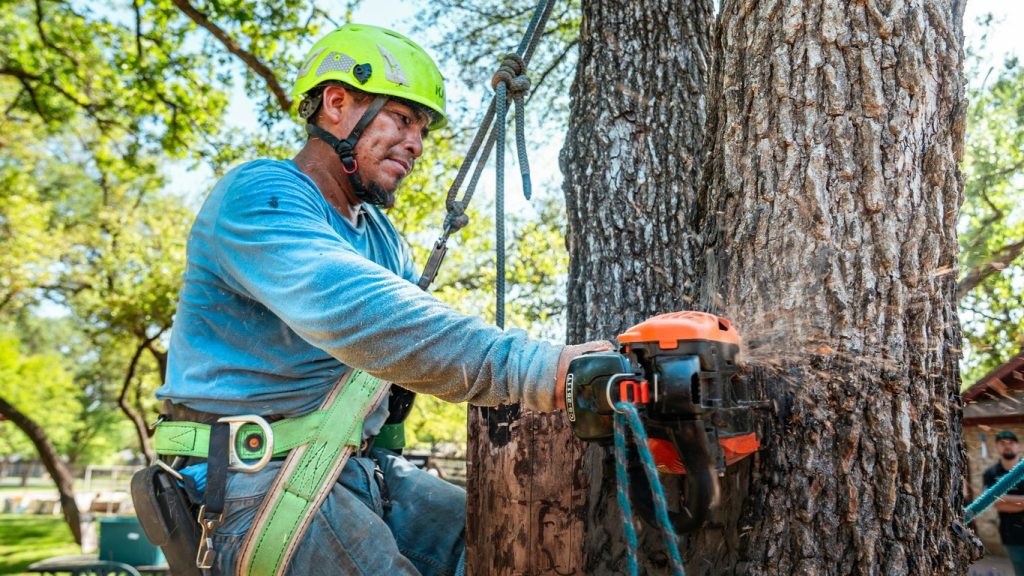
Use posts to show how your crew works and help homeowners understand tree care. Keep each idea grounded in real jobs, safe practices, and the services you actually offer.
- Share real project photos with the owner’s permission.
- Explain what viewers are seeing in plain language.
- Show the crew’s preparation, equipment, and cleanup.
- Answer common questions without diagnosing a tree online.
- Track inquiries and booked work, not just likes.
1. Share a before-and-after tree care project
A before-and-after post gives people a clear view of the work, but the useful part is the explanation. Say what the property owner wanted, what your crew did, and what changed. Keep the focus on the job rather than promising that every property will have the same result.
Choose photos taken from roughly the same position and at a similar distance. That makes the change easy to see. With the owner’s permission, add a short caption about the service and the neighborhood, without sharing an address or other identifying detail.
You can also use the caption to explain why the work mattered. Was the crew clearing a roofline, removing a damaged tree, or pruning to address a specific concern? Posts that connect the image to a clear explanation can turn social posts into booked jobs more naturally than a photo with no context.
2. Show how you assess a tree’s health
A tree assessment is a good chance to show people that you look at the whole tree, not just one branch. Explain what you are observing and what additional information might be needed before recommending work. Avoid trying to diagnose a tree from a brief clip or a few photos.
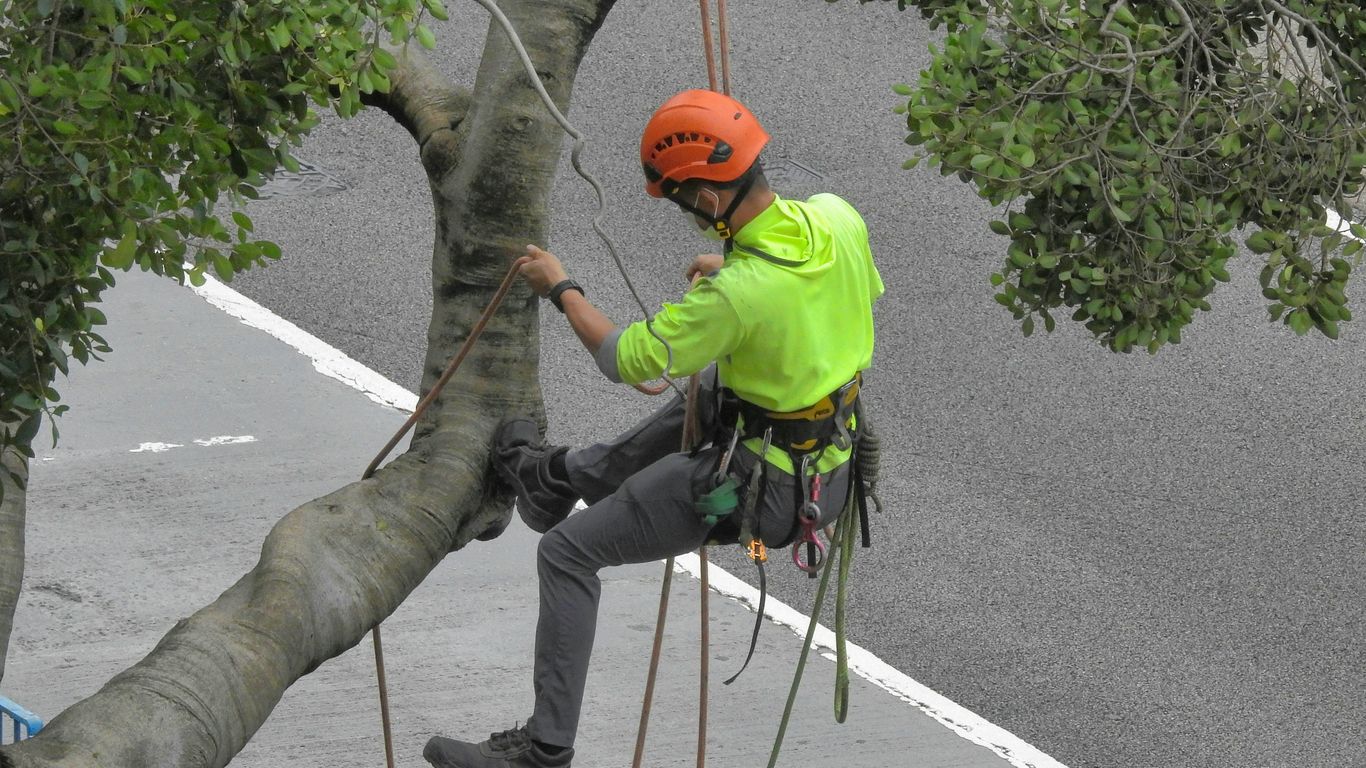
For a short video, let the arborist describe visible details such as the canopy, trunk, and growing conditions. Keep the camera outside work areas, and do not film from a position that distracts the person doing the assessment. A calm walk-through is more useful than a string of dramatic close-ups.
The takeaway for viewers is that a single symptom does not always tell the whole story. Explain what you can and cannot conclude from what is visible. That restraint shows judgment and gives homeowners a sensible next step: arrange an in-person assessment when a concern needs closer review.
3. Explain when a tree may need to be removed
A removal post can explain the factors your team considers without implying that a tree should come down just because it is large, old, or inconvenient. Talk about the tree’s condition, its location, and the property owner’s concerns. Make clear that the right recommendation depends on an individual evaluation.
A useful post could show how an arborist discusses options with a property owner before work begins. Explain what information helps shape the recommendation, such as visible damage or the tree’s relationship to nearby targets. Keep the message educational, not alarmist.
If you use a project as an example, get permission and avoid presenting that tree’s circumstances as a rule for every property. A clear caption can distinguish a removal decision from routine pruning or monitoring. That helps homeowners understand why a site visit matters before they make a decision.
4. Introduce an ISA Certified Arborist on your team
Introduce the person behind the expertise, not only the credential. Give their name and role, then let them explain what they enjoy about tree care or what they want homeowners to understand. A brief, natural conversation often feels more approachable than a formal bio.
You can film the introduction at the shop, beside a tree, or during a quiet moment on site. Keep the setting safe and the sound clear. If the arborist discusses a particular service, make sure the explanation matches the work your company actually performs.
A useful profile can also tell viewers how the arborist approaches questions from property owners. Avoid implying that a credential guarantees a particular outcome. Instead, show how training informs careful evaluation and communication. That is specific, credible, and easy for a local audience to remember.
5. Give a quick tour of your bucket truck or chipper
Equipment videos work best when you explain why a piece of equipment is used on a job. Show a bucket truck or chipper from a safe distance and describe its role in the crew’s workflow. Keep the tour short enough that a homeowner can follow it without knowing the technical details.
Before filming, check that the equipment is parked safely and that the crew is not operating it for the camera. Do not invite viewers to imitate work around machinery. A simple explanation of what the equipment helps your team do is plenty.
The post can also clear up common assumptions. Explain that equipment choices depend on the site and the work, rather than suggesting one machine fits every job. A quick, factual tour gives people a better picture of the planning and coordination behind tree care.
6. Show how your crew prepares a job site
The setup before work begins can be just as instructive as the work itself. Show how your crew reviews the site, talks through the work area, and coordinates who is doing what. Keep the camera out of the way and do not capture private details about the property.
A short sequence can help viewers follow the preparation without turning the post into a technical manual. Choose a few visible steps that are accurate for the job you are filming:
- Identify the work area and nearby targets.
- Confirm crew roles and communication.
- Set up equipment for the site conditions.
- Keep people outside active work areas.
Use the caption to explain that the exact setup changes with the site and scope. The goal is to show that preparation is part of the job, not to present a universal procedure. That context also helps potential customers understand why an estimate involves more than looking at a tree from the street.
7. Explain what happens during a tree removal
A removal can look sudden from a distance, so a simple overview helps viewers understand that the work follows a plan. Describe the broad stages your crew uses for the project you are showing, from site preparation to handling the wood and cleaning up. Do not turn a short social post into instructions for attempting the work.
A useful video might show the crew discussing the site before starting, followed by a few safe, distant clips of work in progress. Narration can explain what the viewer is seeing. Keep the crew’s attention on the job, not on performing for the camera.
End with the finished site and a brief note about what was included in that specific project. Make clear that methods vary by tree, access, and nearby structures. A straightforward explanation gives homeowners a more realistic view of the coordination involved.
8. Share a storm damage cleanup with the property owner’s permission
Storm damage draws attention, but it can also expose a property owner at a difficult time. Ask permission before filming or posting, and make sure the owner understands where the content may appear. Do not include a street number, identifying details, or images of people who have not agreed to be shown.
When you have permission, explain what the crew was asked to address and what work was completed. Avoid dramatic claims about danger or statements that diagnose damage beyond what your team observed. A measured account is more helpful than a sensational caption.
You can close with a practical reminder that storm conditions vary and that people should stay clear of damaged trees and work zones. The post should show the crew’s response without encouraging anyone to approach hazards. Respect for the property owner should remain more important than a strong image.
9. Demonstrate how you protect lawns and nearby structures
Homeowners often want to know what happens to the yard and nearby structures during a tree job. Show the actual measures your crew uses on a particular site, with enough context for viewers to understand why they were chosen. Do not promise that every lawn or structure will be unaffected.
A before-and-after view of the work area can show how the site looked when your crew arrived and after cleanup. If you show protective materials or equipment, explain their role in that job rather than implying they eliminate all risk. Keep the camera at a safe distance from active work.
This is also a good place to show the conversation that happens before the crew starts. Point out the driveway, garden, fence, or other feature the owner asked about, if they consent to filming. Being candid about planning and limits builds more trust than an absolute guarantee.
10. Answer a common question about pruning
Pick one question your crew hears often and answer it in a short video or caption. Keep the answer focused on the general principle, then note that the right approach depends on the tree and the reason for pruning. That keeps the post useful without pretending a social post can replace an assessment.
You might explain why timing, tree condition, and the purpose of the work matter. Use language a homeowner would understand. If you show a pruning job, describe what the crew is doing and avoid applying that example as a prescription for every tree.
A recurring question series is easy to maintain because you can collect questions from estimates and calls. Keep a note of what customers ask, then answer one at a time. Over time, those practical explanations can help people arrive at a consultation with clearer expectations.
11. Explain the difference between pruning and tree topping
Many homeowners use these terms as if they mean the same thing. Explain the distinction in plain language and describe why your crew considers the tree’s structure and purpose before recommending pruning. Keep the focus on informed choices rather than shaming a customer for asking about a particular service.
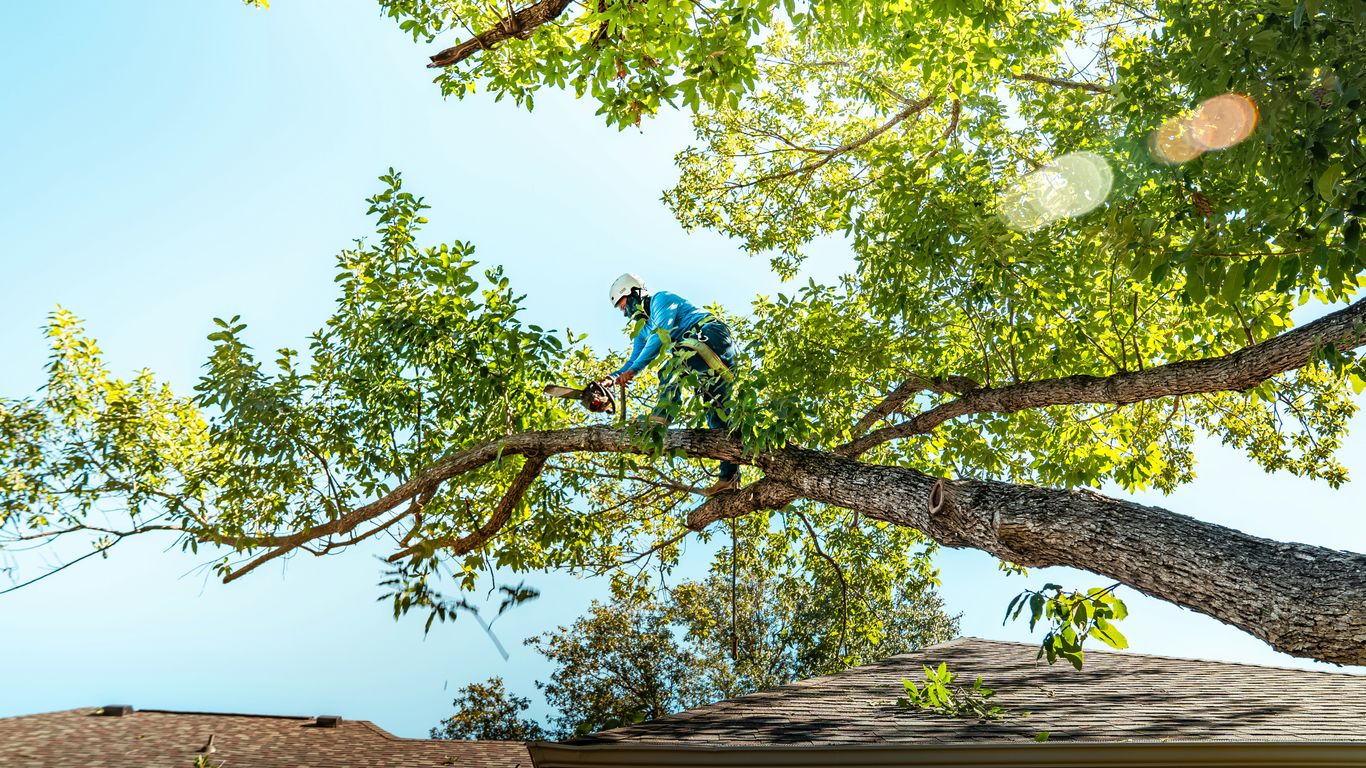
A side-by-side example can help, provided the images accurately represent the work and you have permission to share them. Explain what viewers should notice, and avoid suggesting that one photo alone shows the full condition of a tree. A caption can point out that pruning is planned for a reason, while topping refers to a different approach that may harm a tree’s structure.
Keep the final point practical: invite people to discuss the tree and their goals with a qualified professional. You can also share what your crew means when it uses the word pruning. Clear terminology helps a homeowner understand the estimate and ask better follow-up questions.
12. Show what a proper pruning cut looks like
A close-up of a pruning cut can make an otherwise technical topic easier to understand. First explain what viewers are looking at, then show the cut in a completed job. Avoid filming from a position that puts you or a coworker in an unsafe place just to capture a better angle.
Keep your description tied to the example. Explain how the crew considered the branch and the tree’s structure, rather than offering a one-size-fits-all cutting lesson. A short voiceover can identify the area viewers should notice without overloading the clip with terminology.
Finish by reminding viewers that pruning decisions depend on the tree, the branch, and the goal of the work. A video can illustrate a principle, but it should not encourage someone to climb or use cutting equipment without appropriate training. That boundary makes the content more responsible and more useful.
13. Share a seasonal tree care checklist
A seasonal post gives customers a reason to hear from you outside of an estimate or urgent call. Choose a few actions that fit the current conditions in your area, and present them as reminders rather than a universal prescription. The season and local weather can change what makes sense.
A compact checklist can make the post easy to save. For an autumn post, for example, you might suggest checking the yard for visible changes and planning any needed professional evaluation before winter weather arrives. Match every item to the services and advice your team can stand behind.
| Seasonal prompt | What to explain | Useful post format |
|---|---|---|
| Spring | What to look for as growth resumes | Short video |
| Summer | How dry conditions can affect trees | Caption with photos |
| Fall | What to consider before winter weather | Checklist graphic |
| Winter | How to approach storm concerns safely | Crew update |
Use the table as a planning aid, not a schedule that applies to every region. Local conditions matter, and specific tree care recommendations should reflect the site. A short caption can invite homeowners to contact you when they have a concern they cannot assess on their own.
14. Explain how drought or heavy rain can affect trees
Weather gives you a timely reason to explain what homeowners may notice around their trees. Keep the post tied to local conditions and avoid telling people that one weather event will cause a particular outcome. Explain that drought and heavy rain can affect trees in different ways, depending on the site and the tree.
A short clip could show you describing what you have observed in the area, without identifying a customer’s property. Point out visible signs only when you can explain them responsibly. If the cause is unclear, say so rather than assigning a diagnosis based on a quick look.
Finish with a sensible next step. Encourage homeowners to keep an eye on changes and seek an in-person evaluation if they have a concern. That is more helpful than a broad warning that creates urgency without giving people a clear or accurate reason to act.
15. Show signs of pests or disease to watch for
A post about pests or disease can teach people to notice changes without trying to diagnose every tree through a screen. Use a clear image and describe exactly what is visible. If the cause is uncertain, say that symptoms can have more than one explanation.
You can film an arborist pointing out a feature on a tree and describing what additional information would help evaluate it. Avoid claiming that a particular treatment is needed based on a single sign. A careful explanation makes your expertise more credible than a confident guess.
Invite viewers to arrange an assessment if they are concerned about a tree on their property. Do not ask them to send identifying photos publicly. A social post is a starting point for education, not a substitute for seeing the whole tree and its growing conditions.
16. Explain how you evaluate a tree’s risk
Risk evaluation is easier to understand when you explain the questions behind it. Describe how the arborist considers the tree, its condition, the site, and what could be affected. Avoid presenting risk as a simple label based on one visible defect or a single photograph.
A post could show an arborist talking through an assessment from a safe location. Keep the explanation general and make clear that the details vary by tree and property. If the video includes a customer’s site, get permission and leave out identifying information.
It helps to explain the difference between observing a concern and making a recommendation. A visible change may call for a closer look, but it does not automatically determine what work is needed. That distinction gives homeowners useful context without manufacturing alarm.
17. Describe what a TRAQ assessment covers
If someone on your team holds a Tree Risk Assessment Qualification, explain what a TRAQ assessment involves in broad terms. Describe how the qualified person evaluates a tree and its context, and be precise about who performs the assessment. Do not imply that the qualification removes uncertainty from every situation.
A short post can show the assessor reviewing the site and explaining the kind of information that informs the assessment. Keep the footage respectful of the property owner’s privacy. Avoid showing a report or personal details unless you have clear permission.
End by explaining how a homeowner can ask whether this type of assessment fits their concern. Not every question calls for the same process. A measured description helps set expectations and keeps a technical service from sounding like a guaranteed prediction.
18. Show a cabling and bracing project
Cabling and bracing can be unfamiliar to homeowners, so explain the goal of the work on the specific tree you are showing. Describe what the crew installed and why it was part of the plan. Avoid suggesting that the system makes a tree risk-free or replaces ongoing evaluation.
A brief clip can show the crew discussing the project before installation and the finished result from a safe viewpoint. Keep people out of active work areas. If the owner agrees to the post, avoid showing their address or other details that identify the property.
The caption should make clear that the decision to use cabling and bracing depends on an evaluation of the tree and site. The project is a useful example, not a promise that the same treatment will suit another tree. Invite questions about the process rather than offering a remote recommendation.
19. Explain how stump grinding works
Stump grinding is a service many property owners ask about after a removal. Use a short video to explain, at a high level, what the equipment does and what the customer can expect from the work. Keep viewers at a safe distance and do not film in a way that distracts the operator.
Be specific about the project shown. Explain what your crew included and what the owner should confirm in an estimate, since the scope can differ by site. Avoid implying that every stump or root system can be handled the same way.
A finished shot can show the work area after the crew leaves. Explain what happens to the material only if that reflects your actual service for the job. Clear, modest detail helps a homeowner understand what to ask before scheduling stump grinding.
20. Share a crane-assisted removal from a safe viewing area
A crane-assisted removal offers a strong visual story, but safety should shape the filming plan. Capture the work from an approved viewing area and let the crew focus on the job. Do not step into a restricted area to get a closer shot or ask anyone to repeat a movement for the camera.
Explain why the project used a crane and what the viewer is seeing, using details that apply to that job. The site, access, and scope influence how a removal is planned. Keep any narration factual and avoid presenting crane use as the right choice for every removal.
A short post can end with the finished site and a note about the coordination involved. Get the property owner’s permission before sharing the project. Showing a safe, distant view helps people appreciate the equipment and planning without turning hazardous work into a stunt.
21. Introduce the equipment your crew uses and why
A simple equipment feature can give a homeowner a better sense of how your crew approaches different jobs. Choose one piece of equipment, explain its purpose, and connect it to the work in the clip. Do not imply that owning a particular machine determines the right approach for every property.
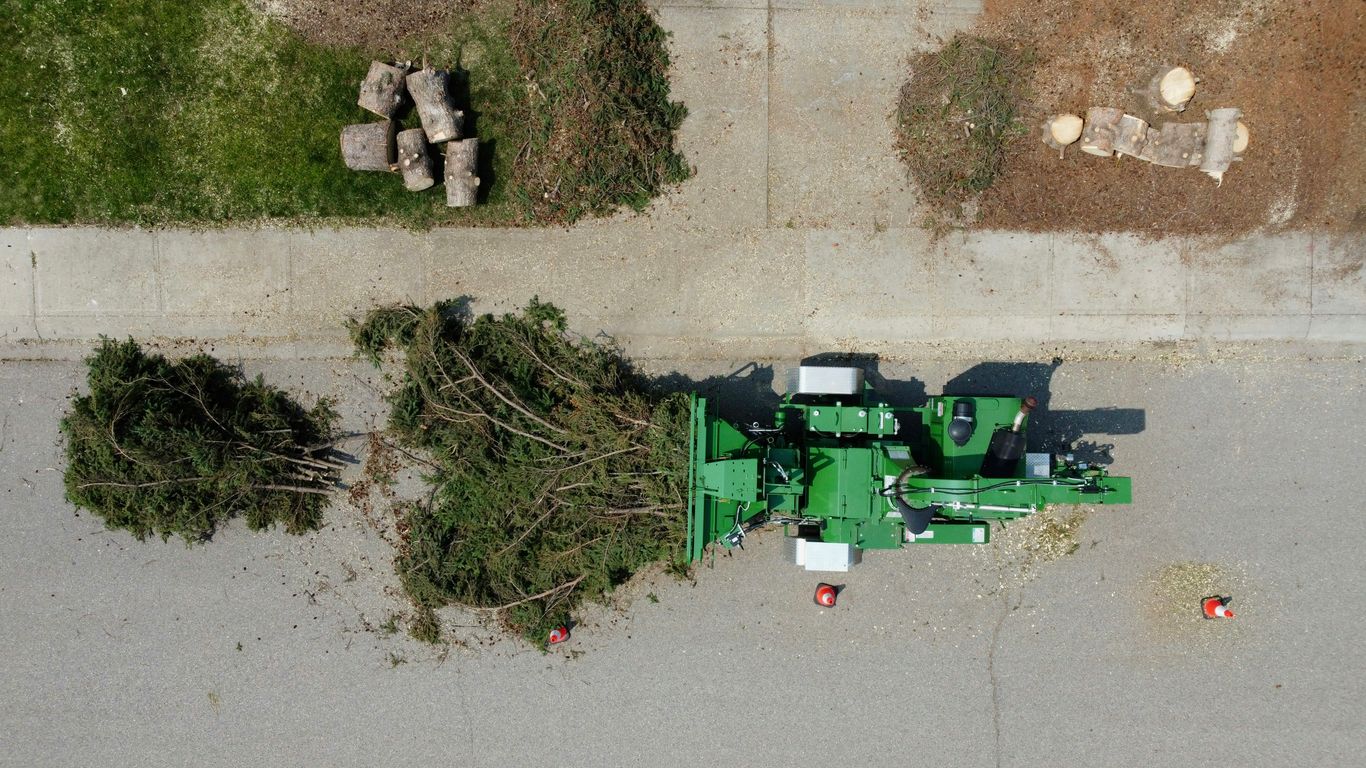
For example, your crew can describe how a bucket truck or chipper fits into a particular project. Show the machine while parked or from a safe viewing area. Avoid filming controls, active operation, or anything that could be mistaken for instructions to operate the equipment.
The important point is that tools are selected for the job and site. A short explanation can make that visible without turning the post into a sales pitch. If a job calls for different equipment, explain why the conditions shaped that choice.
22. Post a short day-in-the-life crew video
A day-in-the-life video can show the rhythm of the work without making the crew perform for the camera. Use a few clips from the start of the day, the job site, and the wrap-up. Check that workers are comfortable being filmed and that customer property remains private.
Add a brief narration about what the crew is doing and how the work fits into the day. Keep the story grounded in real activity. Digital Farmers works with tree service companies on customer-acquisition systems that include Google Maps, local SEO, paid demand, and websites, so a day-in-the-life post can be one piece of a wider local presence.
A useful version does not need a polished script. Let the crew explain one detail viewers might not expect, such as how the team coordinates the job. This kind of post gives people a view of the company’s working style while keeping the focus on safe, real work.
23. Celebrate a team member’s training or certification
A certification or training milestone is worth recognizing because it represents time and effort. Name the team member, explain what they completed, and ask before posting their photo or comments. Keep the caption accurate about the credential and what it does, rather than implying it guarantees a particular job outcome.
A short interview can make the post feel personal. Ask the employee what they learned or what they hope to bring back to the crew. Keep the questions simple and let them answer in their own words.
These posts also help customers put a face to the people who may visit their property. If you mention a specialized service, connect it only to the training and work your team actually provides. Recognition should feel genuine, not like a claim that one credential covers every tree care question.
24. Share a customer review with permission
A review post can help future customers understand what working with your crew felt like. Ask the customer before sharing their words, name, or photo, and follow the platform’s rules. Do not edit a review in a way that changes its meaning or makes the feedback sound more specific than it is.
Pair the review with a brief note about the service or project, if the customer has also agreed to that context being shared. Keep the content accurate and avoid suggesting that one person’s experience is typical of every job. Real feedback carries more weight when you do not overstate it.
Use the post to thank the customer, then invite other clients to leave an honest review if they wish. A well-designed tree service website design can also give prospective customers a clear place to learn about your services and contact your office.
25. Answer a question from a recent estimate
An estimate often brings up questions that other homeowners may have too. Choose one that can be answered without revealing the customer’s name, address, price, or project details. If the question depends on the site, explain that your response is general rather than a recommendation for someone else’s property.
Keep the answer direct. Explain what affects the decision and what information your crew needs to give a useful estimate. Digital Farmers builds and manages customer-acquisition systems that include CRM, email, and SMS, which can support follow-up with a company’s existing customer database.
A short question-and-answer post can reduce confusion before the next estimate. Ask the office team to keep a running list of recurring questions, then answer one at a time. If the answer varies by job, say so plainly and invite the homeowner to discuss their own situation with your team.
26. Explain what affects the cost of a tree care job
Customers often want to know why one job costs more than another. Explain the factors your company considers, such as the scope of work, site access, nearby structures, and equipment needs. Avoid posting a price as if it applies to every property or promising that a social message can replace an estimate.
You can use a short caption to explain why an on-site review helps your team understand the work. The point is not to defend a particular price. It is to show what goes into planning a job and why a clear scope matters to both the customer and crew.
If you discuss how to bring people to your business, connect the topic to actual services and areas you serve. For a broader business conversation, the phrase tree service advertising fits when you are discussing paid promotion, not the cost of an individual tree care job.
27. Show how you prepare for a storm response
A storm response post can show how your team gets organized before the next call comes in. Share a general view of equipment checks, crew communication, or how you prepare the schedule. Do not publish sensitive contact details or make claims about response times you cannot support.
Explain that storm conditions and available crew capacity affect what your company can take on. If you share a past response, get the property owner’s permission and avoid posting an address. Keep the message calm, especially when viewers may be dealing with damage themselves.
Digital Farmers has information about tree service marketing for owners connecting their services with local visibility. For a storm post, keep the practical message front and center: homeowners should stay clear of damaged trees and contact a qualified tree service when they need help.
28. Share a plant health care tip for the current season
Choose one plant health care topic that fits the current season and your local conditions. Keep the advice practical and avoid recommending a product or treatment unless your team can support that recommendation for the specific situation. General education should not sound like a diagnosis.
A short clip from an arborist can explain what homeowners may notice and why a closer look could be helpful. Use clear language and identify what is uncertain. If you are discussing a treatment your company offers, describe it accurately and do not imply it fits every tree.
Seasonal tips also give you a reason to stay in touch with past customers between larger jobs. Keep each post narrow enough to be useful. One carefully explained observation is better than a long list of claims that does not apply to every property.
29. Post a local tree fact or species spotlight
A local species spotlight gives followers a reason to notice the trees in their neighborhood. Pick a species your team encounters often and share one or two accurate facts. Keep the focus on local relevance, and verify the details before you publish.
You can film the tree in a public place or get permission from the property owner. Point out a feature viewers can see, then explain why it matters to identification or care. Avoid turning a general fact into a specific diagnosis or care prescription.
If your caption mentions local search or the way customers find an arborist, use a resource such as local seo for tree service only when it naturally fits that topic. Otherwise, let the species story stand on its own. Not every post needs to promote a service.
30. Invite followers to submit a tree care question
An open invitation can give you a steady source of future post topics. Ask followers to leave a general tree care question, but tell them not to share an address or private details in a public comment. Choose questions you can answer safely and clearly.
Reply with a short answer or turn a common question into a video. If the issue needs an in-person assessment, say that directly rather than trying to settle it in comments. Arborist post inspiration can help you think through other approachable ways to explain your work.
Use a simple prompt and keep the invitation active only if your team can monitor replies. Digital Farmers also works on organic search and tree service seo, which can complement useful educational content on your site. To discuss whether a local marketing approach fits your service area, schedule a market review.
Conclusion
Choose a few ideas that fit the work your crew already does, then post with permission and explain what viewers are seeing. Your next step can be a market review with Digital Farmers to discuss local search demand, competition, and your current visibility, with a clear answer if the market is not a fit.
Frequently Asked Questions
How often should an arborist post on social media?
Choose a pace your team can maintain without pulling attention away from estimates or field work. A few useful posts each month can be more sustainable than frequent posts that lack context.
What should a tree service post on social media?
Share project explanations, seasonal tips, crew introductions, equipment tours, and answers to common questions. Keep the content accurate, local, and tied to services your company actually offers.
Can I post photos of a customer’s property?
Ask the property owner for permission before sharing photos or video. Avoid showing addresses and other details that could identify the property unless the owner has clearly agreed to that use.
What makes a good before-and-after tree care post?
Use clear photos from similar angles and explain the project, the work completed, and the result. Make sure the owner has agreed to the post and avoid implying every project will have the same outcome.
Should I show tree removal work in a video?
You can show a removal from a safe, approved viewing area without distracting the crew. Explain what viewers are seeing, and do not present a short clip as instructions for doing the work.
How can I answer tree care questions online?
Give general information, explain when an answer depends on the site, and avoid diagnosing a tree from limited photos or comments. Suggest an in-person evaluation when the concern needs closer review.
What should I measure beyond likes and views?
Track whether posts lead to relevant inquiries, estimates, and booked work. Likes and views can show that people saw a post, but they do not tell you by themselves whether it supported the business.