

Key Takeaways
A January review gives you time to fix gaps before the schedule fills. Use this tree service business checklist to connect your numbers, crews, equipment, and customer follow-up.
- Set revenue and utilization targets against actual crew and equipment capacity.
- Inspect gear, confirm credentials, and refresh safety procedures before jobs stack up.
- Price work using current labor, disposal, fuel, and equipment costs.
- Make every inquiry easy to answer, record, and follow through.
- Keep customer and job data organized so you can track booked work and backlog.
Set the season’s targets and limits
Before spring calls pick up, decide what a workable season looks like for your company. Start with last year’s results, then account for your crew size, service area, equipment, and the work you want to take on. A useful tree service marketing plan starts with operating limits, not a promise to chase every call.
Review last year’s booked work, close rate, and backlog
Look at completed jobs alongside estimates sent, jobs booked, and estimates that did not close. Separate the numbers by service where you can, since a high call count does not tell you whether the work paid well or fit your crews. Compare the backlog at different points in the season, too. That shows whether you were booked steadily or had short bursts followed by gaps.
Set targets for revenue, job mix, and crew utilization
Pick targets you can monitor during the season, such as booked revenue, estimate close rate, and crew days scheduled. Use last year as a reference, not as a forecast that must repeat. A simple planning table helps connect each target to the operating measure behind it.
| Measure | Last season’s baseline | Set for this season |
|---|---|---|
| Booked revenue | Actual completed and booked work | A target tied to your capacity |
| Job mix | Services and job sizes completed | Work that fits your equipment and margins |
| Crew utilization | Days crews were scheduled productively | A realistic level with room for delays |
| Backlog | Weeks of work scheduled at key points | A range you can staff and serve |
Review the figures monthly once work starts. If booked work rises but the crew calendar is already full, the next step may be scheduling farther out or adjusting which calls you accept, not adding more demand.
Map seasonal demand and slower months
Mark the months when planned work, storm response, and slower periods usually affect your schedule. Use your own call and job history where possible, since patterns vary by location and weather. Then note which services can fill open crew days outside the peak period. A seasonal map gives you a practical basis for staffing and customer outreach.
Decide which jobs to decline, subcontract, or schedule later
Write down the conditions that make a job a poor fit: travel time, equipment needs, risk, crew availability, or a service you do not currently offer. Decide who can assess unusual or hazardous requests and when to bring in qualified help. Set a clear process for communicating a later date or declining the work. That keeps a rushed phone decision from becoming an unrealistic promise.
Check equipment, safety, and compliance
Your schedule depends on trucks, trailers, chippers, climbing gear, and people being ready at the same time. A pre-season check gives you a chance to find repair needs before they interrupt booked work. Treat paperwork and emergency procedures as part of readiness, not office chores to squeeze in later.
Inspect trucks, trailers, chippers, and climbing gear
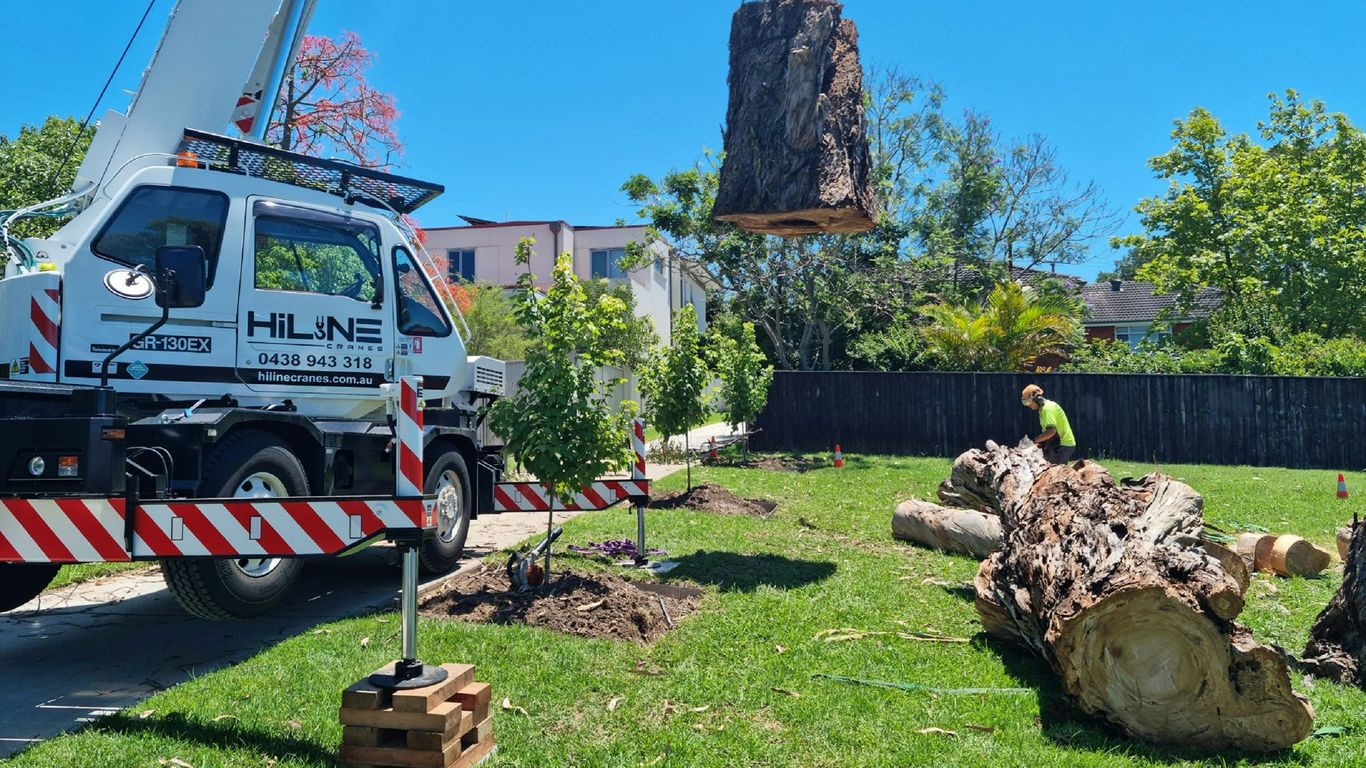
Walk through each vehicle and piece of equipment with the person who uses it. Check visible wear, lights, tires, securement, and any service-specific gear your crews rely on. Record issues and assign someone to follow up instead of leaving a verbal note that can be missed. A dated inspection record also makes it easier to see recurring problems.
Schedule maintenance for high-use equipment
Use inspection findings and service records to plan maintenance for equipment that will see frequent use. Leave enough time for parts or shop appointments, and identify a backup option if a repair could affect the calendar. Put the date and responsible person on each task. This turns a general intention to maintain equipment into work that can be verified.
Verify insurance, licenses, and required certifications
Check renewal dates, policy details, and any licenses or certifications required for your work and location. Confirm that records are accessible to the office and the people who need them in the field. Requirements differ by jurisdiction and service, so verify them with the relevant authority or insurer rather than relying on last year’s notes. Keep a record of what you checked and when.
Refresh job-site, traffic-control, and emergency procedures
Review how crews secure a work area, manage traffic, communicate hazards, and respond to an incident. Make sure the written procedure matches how work is actually assigned and who is available to respond. Ask crew leads to flag steps that are unclear or impractical. A short review before the busy season is more useful than a procedure no one remembers using.
Get crews ready to work
A crew plan is more than a head count. It also covers who can perform each role, how jobs are assigned, and what happens when conditions change on site. Confirm those details before the first full weeks of work arrive.
Confirm staffing needs before hiring season begins
Compare the work you expect to book with the crews and skills you can actually schedule. Identify whether you need additional employees, seasonal help, or a subcontractor for specific work. Allow time for recruiting and onboarding instead of assuming an open position will be filled immediately. If you do not add staff, adjust the target schedule to match the people you have.
Check training, certifications, and fit-for-duty requirements
Review required training and credentials by role, including renewal dates and any gaps that need attention. Confirm that your fit-for-duty process is understood and applied consistently. Keep records where the appropriate manager can find them, and avoid sending someone into a role based only on a last-minute assumption. A clear review protects both the employee and the work plan.
Review crew roles, dispatch rules, and escalation contacts
Make sure crew leads know who sets the day’s priorities and who handles a schedule change. Confirm the escalation contact for equipment problems, site hazards, customer concerns, and emergencies. If more than one person can dispatch work, clarify who has the final say when two jobs compete for the same crew. These small decisions prevent avoidable confusion once trucks are moving.
Set expectations for timekeeping, job notes, and customer updates
Agree on when crews submit time, what a useful job note includes, and who tells the customer about a delay or change. Keep expectations simple enough to follow from a phone between jobs. If you want to improve communication, describe the required action and the handoff, not just the software or form. The office can only act on field information it receives in a usable form.
Tighten services, pricing, and capacity
A busy calendar can hide work that uses too much time or equipment for the return. Review service performance and current costs before updating estimates. The goal is to price and schedule jobs using the conditions you have now, not assumptions carried over from a previous season.
Review which services were profitable last season
Compare service types using job records, labor, disposal, and equipment use. Look for work that repeatedly ran over estimate or tied up a crew longer than expected. Ask crew leads and the office what made those jobs difficult to complete. Then decide whether to adjust pricing, change the process, or take fewer of those jobs.
Update estimates for labor, disposal, fuel, and equipment costs
Check the assumptions behind your estimate templates. Update labor rates, disposal charges, fuel allowances, and equipment costs using current figures you can support. Include travel and setup time where they materially affect the job. Clear assumptions help you explain a price and compare estimates with actual job costs later.
Set a process for assessing complex or hazardous jobs
Decide which requests require an on-site assessment, a second opinion, or review by someone with the right qualifications. Gather the details that affect scope, access, equipment, and risk before setting a price or date. Do not let a quick phone estimate stand in for a careful review when the job is unusual. A consistent process helps you identify work that needs a different plan.
Match the schedule to crew and equipment capacity
Count available crew days and equipment days before you promise start dates. Leave room for weather, repairs, and jobs that take longer than planned. Separate work that needs specialized equipment from jobs your standard crews can complete. When capacity is tight, offer a realistic later date or decline the job rather than overbooking the same resources.
Prepare marketing and lead intake
Your marketing only helps if the right calls reach someone who can respond. Before increasing activity, check where inquiries came from and whether your public information is accurate. Use a 2026 marketing checklist as another prompt for reviewing how the work connects to your operating plan.

Review where last year’s calls and booked jobs came from
Compare inquiry sources with estimates and booked jobs, not just total calls. Note which channels brought qualified opportunities and which produced requests outside your service area or capacity. This is also a good time to review how tree service leads fit into the full path from first contact to completed work. Keep the source information consistent so you can make a useful comparison next season.
Check the Google Business Profile for accurate services and contact details
Confirm that the business name, phone number, hours, service details, and service area are current. Check that the number reaches the person or process intended to handle new calls. Digital Farmers describes Google Maps as a growth engine that includes Google Business Profile optimization, category and service structure, geogrid tracking, review velocity, photo and post cadence, suspension and duplicate cleanup, and service-area coverage. For a broader reference, review local seo for tree service in the context of your actual service area and capacity.
Test the website’s service pages, forms, and phone links
Open the site on a phone and test each contact path yourself. Check that service pages explain what you do and where you work, and that forms and phone links function. If the site needs a rebuild or revision, compare your needs with tree service website design, and review tree service seo for the search side of the site. Digital Farmers describes Organic Search as covering site builds or rebuilds, service and city pages, schema markup, indexation fixes, internal linking, blog content, technical health, and Core Web Vitals. You can also consider whether tree service ai search is relevant to how you present clear, useful business information online.
Make sure someone answers, returns, or texts back every inquiry
Choose a person and a backup for calls that arrive during work hours, after hours, or while the office is busy. Set a simple response standard and use a record of each attempt so an inquiry does not disappear between a voicemail and a job site. Follow-up can be as basic as assigning the next action and date. A short operating list helps make ownership clear:
- Answer live calls when someone is available.
- Return missed calls and record the outcome.
- Send a text when that is an appropriate way to reconnect.
- Route unusual or urgent requests to the designated contact.
Use the list to spot a missed handoff, not to create extra paperwork. Review a sample of inquiries each week and fix the step that is causing delays. Digital Farmers describes Paid Demand as including Google Ads, Local Services Ads, Bing, Meta retargeting, negative-keyword containment, call tracking, conversion validation, and budget protection. Before adding or changing paid activity, you can also review tree service advertising and book a market review to discuss your county’s demand and current visibility.
Build a pipeline the company owns
A customer list and clear job history make it easier to follow up without starting from scratch each season. Keep records organized and use them to plan useful contact, not just to send messages because the calendar is quiet. For a practical approach to the slower months, see this guide to winter tree service planning.
Clean up customer records and organize past-job details
Remove duplicate records where possible and make sure contact details, job dates, services, and notes are easy to find. Separate completed work from open estimates so the office knows what kind of follow-up is appropriate. Limit access to customer information to people who need it for their work. Consistent records make the next conversation more relevant and reduce time spent searching.
Plan follow-up for estimates that did not close
Sort open estimates by age, service, and next appropriate action. Some may need a brief check-in, while others should be closed out because timing or scope changed. Assign one person to follow up and record the result. Do not treat silence as proof that a customer wants repeated contact; keep the message useful and respectful.
Schedule useful updates for past customers before demand peaks
Identify customers who may have a timely reason to hear from you, based on the services they previously requested and your actual availability. Plan the message and timing before the busy season, and make it easy for the person to respond. Do not promote work you cannot schedule. A focused update to the right past customers is more useful than a broad message with no clear next step.
Track qualified opportunities, close rate, booked work, and backlog
Use a small set of definitions that the office can apply the same way each week. Count qualified opportunities, estimates sent, jobs booked, close rate, and backlog, then connect those figures to source and service type where practical. Keep your calendar and reporting aligned so booked work is not counted twice. This gives you a clearer view of whether demand, follow-up, or capacity needs attention.
Set up the field-to-office workflow
The office needs timely information to close out work, bill accurately, and plan what comes next. Crews need a simple way to report changes without stopping productive work for a long form. Agree on the handoffs before the season starts, then check that people can follow them in the field.
Confirm how crews report completed work and job changes
Choose where crews record completion, added work, delays, and scope changes. Explain who reviews each update and how quickly it should reach the office. If a change requires customer approval, make the approval step clear before the crew proceeds. The same process should work whether the update comes from a crew lead or the office.
Standardize photos, notes, and customer sign-off
Set a reasonable minimum for job photos and notes, based on the work you perform and the records the office needs. Explain when customer sign-off is required and where it should be stored. Show crews examples of useful documentation so expectations are concrete. Keep the process consistent enough that another person can understand what happened without calling the crew lead.
Review invoicing, payment follow-up, and job-cost tracking
Check that completed jobs move promptly from field reporting to invoice review. Assign responsibility for resolving missing details and following up on unpaid invoices. Compare estimated and actual labor, disposal, fuel, and equipment costs on a useful sample of jobs. Those records can reveal where your pricing or job process needs another look.
Assign an owner and deadline to every checklist item
A checklist works when each open task has one person responsible and a date for completion. Review the open items at a regular meeting, and mark each one complete only when the result has been checked. If a deadline slips, set a new date and note what is blocking the work. You can use the same habit for the tree service business checklist items that need a second review.
For a short overview of seasonal planning and crew coordination, use this video as a prompt for your own review.
Bring the list back out during the season. A January plan should help you make better decisions when demand, staffing, or equipment changes, not sit in a folder until next year.
Conclusion
A strong season starts with a realistic view of your numbers, crew capacity, equipment, and customer follow-up. Work through the checklist in January, assign each open task, and revisit the plan as conditions change.
Request a Market Review
If you want a second look at your county’s search demand, current visibility, and potential opportunities, book a market review with Digital Farmers. The review is a chance to get straight answers about whether the market is a fit.
Frequently Asked Questions
When should a tree service start its pre-season checklist?
Start early enough to address equipment repairs, staffing gaps, renewals, and process changes before the schedule fills. January is a useful planning point for many businesses, but adjust the timing to your local season and workload.
What numbers should a tree service review before the season?
Review booked work, estimates sent, close rate, backlog, crew utilization, and job costs. Separate figures by service where your records allow so you can see which work fits your operation.
How do you estimate crew capacity for the busy season?
Count the crew and equipment days you can realistically schedule, then allow room for weather, repairs, and jobs that run long. Use the resulting capacity to set booking targets and start-date expectations.
What equipment should be checked before spring work begins?
Inspect trucks, trailers, chippers, climbing gear, and other equipment your crews use. Record any issues, schedule maintenance, and confirm that required safety procedures are understood.
How often should a tree service update its estimate process?
Review the process before the season and whenever labor, disposal, fuel, equipment costs, or job conditions change materially. Compare estimates with completed-job costs to identify recurring gaps.
What should you do with estimates that did not close?
Sort them by age, service, and likely next step. Assign someone to follow up respectfully, record the outcome, and close out estimates that are no longer active.
How can a small tree service keep field and office records consistent?
Set clear expectations for job notes, photos, timekeeping, changes, and customer sign-off. Give each handoff an owner, a destination, and a deadline, then review a sample of records to catch gaps.