
Key Takeaways
Good marketing works best when it reflects the services you want to sell, the towns you can reach, and the crew time you have available.
- Keep your Google Business Profile accurate and active.
- Build service and town pages around real work and real service areas.
- Use reviews and job photos to give prospects useful proof.
- Test paid and seasonal outreach with a clear budget and follow-up plan.
- Track qualified calls through estimates and booked jobs.
1. Build out your Google Business Profile
For many local customers, your Google Business Profile is one of the first places they check before calling. Make sure the business name, phone number, hours, service area, and website are current. These basics are easy to overlook when you are busy running crews, but an outdated profile can leave a prospect unsure whether you handle the work or serve their town.
Treat the profile as a working part of your tree service marketing, not a one-time setup task. Add the services you actually provide, choose accurate categories, and post real updates when there is something useful to share. A useful routine can be simple:
- Check your contact details and hours each month.
- Review the listed services when your offerings change.
- Add recent job photos when you have permission to share them.
- Respond to new reviews in a timely, professional way.
These small checks help keep your public information aligned with how the business operates. They also make it easier to spot a problem before a customer calls the wrong number or expects a service you do not offer.
2. Create service pages for the work you want to book
A single page that lists every service can be hard for a customer to scan. Give important work its own page when you can explain what the job involves, who it is for, and how to request an estimate. That could mean separate pages for tree removal, pruning, stump grinding, or storm damage cleanup, depending on what your crews handle.
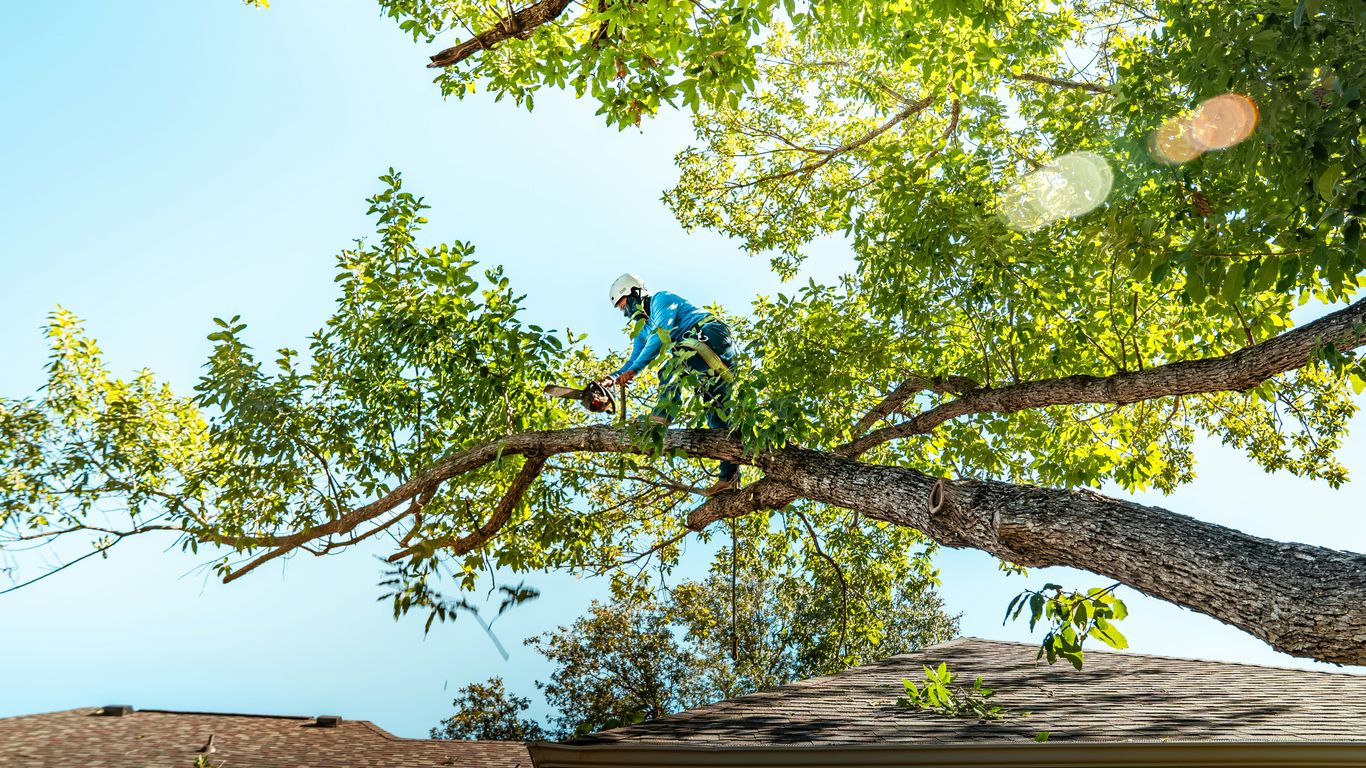
A good service page answers practical questions. Describe the work in plain language, explain the next step for a property owner, and use photos that match the service. Avoid writing as if every job follows the same process. Access, tree condition, equipment, and site constraints can all affect the estimate.
Build pages around actual demand and crew capacity rather than trying to list every possible service. Strong tree service seo starts with useful, relevant pages, while thoughtful tree service website design can make those pages easier to navigate on a phone. Keep the contact option visible so a customer who is ready to talk does not have to hunt for it.
3. Make dedicated pages for the towns you serve
A town page can help a potential customer understand whether you work in their area. It should say which town or service area it covers and connect that location to the work you actually do. Do not publish a stack of near-identical pages that only swap one town name for another.
Add local details only when they are true and useful. You might explain how far your crews typically travel, mention relevant local experience, or show a completed job from the area if you have permission. Do not imply that you have an office or permanent crew in a town when you do not.
Organize the pages so customers can move naturally from a location to a service and then to an estimate request. A guide to local seo for tree service can help you think through that local structure. You can also review tree service ai search as you consider how people may discover and compare service information online.
4. Ask customers for reviews and respond to them
Reviews give people a window into what working with your company may be like. Ask customers after the job is complete, when the work and communication are still fresh in their minds. Make the request personal and straightforward, and let the customer choose whether to leave a review.
A steady process is more realistic than trying to collect a rush of reviews all at once. Decide who will send the request and when it goes out. Keep the request courteous, and do not offer a reward or pressure anyone to write a particular kind of review.
Respond to reviews in a calm, specific way. Thank customers for sharing their experience, and address concerns without disclosing private details about the job. Reviews can support trust, but they do not replace the basics: clear estimates, dependable communication, and a phone that gets answered. They are one part of earning better-fit tree service leads.
5. Use job photos to show the work you do
A clear photo can help a homeowner picture the kind of work your crew performs. Take pictures that show the job site and the finished result, while following safety practices and getting permission before sharing identifiable property details. Choose images that explain something, rather than filling a page just to make it look busy.
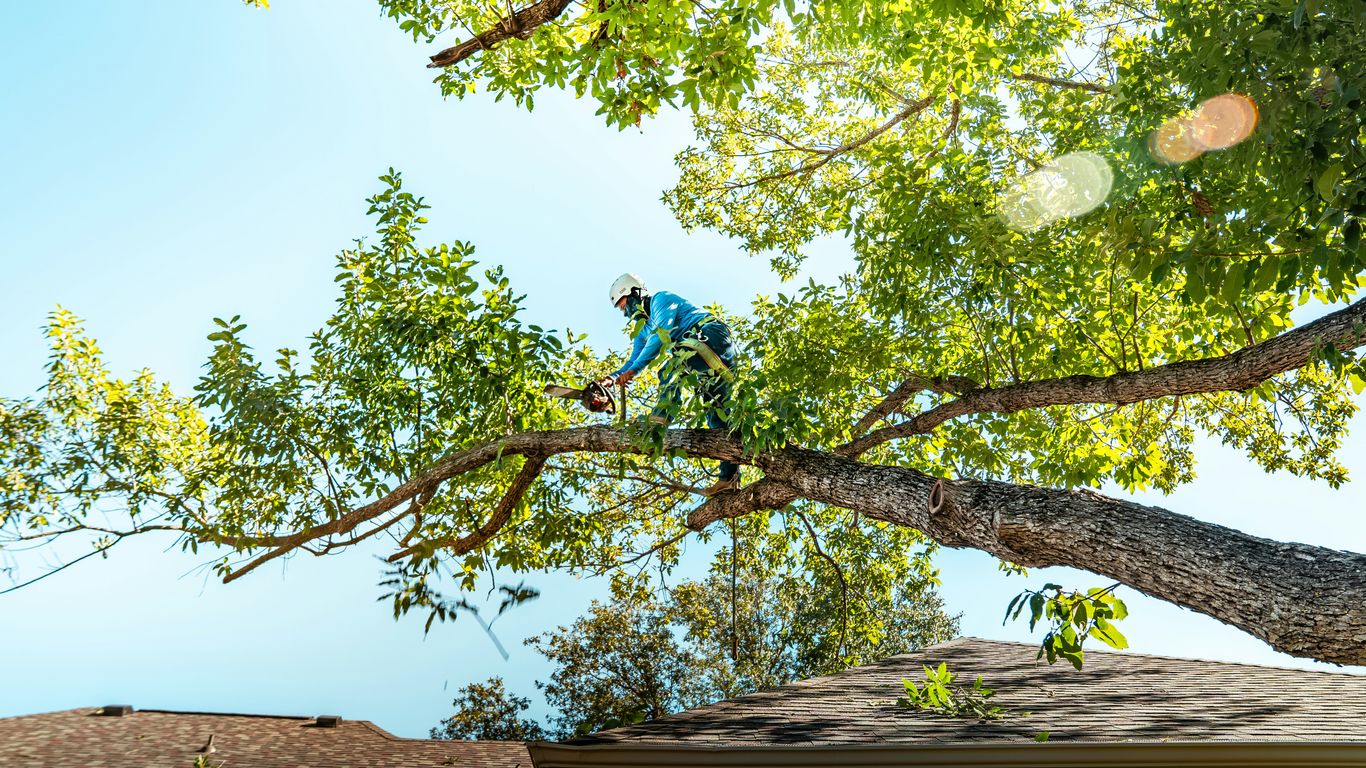
Use a short caption to identify the service and, when appropriate, the general location. A photo of a completed pruning job tells a different story from a storm cleanup or a crane-assisted removal. Show the work clearly without making a claim the image cannot support, such as promising that every job will have the same outcome.
Keep a simple photo habit in the field. Pick one person to capture a few useful images when the site is safe and the customer has agreed. Over time, those photos can help your website and profile reflect the actual range of jobs your team takes on.
6. Run Google Search Ads for high-intent services
Search ads can put your business in front of people actively looking for a service, but the campaign needs boundaries. Set a daily or monthly budget you can afford, target towns your crews can serve, and separate distinct services when their demand and value differ. An emergency tree removal search is not the same as a planned pruning inquiry.
Before you spend, make sure the ad leads to a relevant page and that someone can answer the phone or return the inquiry promptly. Review the actual search terms and exclude searches that do not fit your work. Digital Farmers manages paid demand through Google Ads, including Search campaigns, and its documented approach includes call tracking and conversion validation. For a wider view of tree service advertising, compare the channel with your service mix and capacity. The tree care marketing guide is another perspective on coordinating channels for this kind of business.
A campaign is worth judging by the inquiries it produces and the jobs you book, not by clicks alone. Give it enough time to gather useful information, but do not leave irrelevant searches or unanswered calls unchecked. Adjust the budget and targeting based on the quality of real opportunities.
7. Test Local Services Ads if your business is eligible
Local Services Ads may be an option if your business and service category meet Google’s eligibility requirements. Check the current requirements directly, since availability and setup rules can vary. Do not build a forecast around the assumption that every tree service company can participate.
If you are eligible, start with a defined service area and a budget that fits your ability to respond. Keep your business details accurate and follow the platform’s process for managing inquiries. A lead is only useful if it matches the work you do, falls within reach, and can be handled by your team.
Compare the results with other sources using the same standard. Note which inquiries were qualified, which became estimates, and which turned into booked jobs. If the lead quality is poor or the workload is already full, adjust your settings or pause while you address the underlying issue.
8. Follow up with past customers before slow seasons
A customer list gives you a reason to reconnect with people who already know your company. Before a slower season, send a useful, relevant note about work you offer at that time of year. Depending on your services and local conditions, that might include pruning, storm preparation, plant health care, or firewood.
Keep the list organized and use customer information responsibly. A basic record of the job, date, contact preference, and follow-up history can help you avoid sending the same generic message to everyone. Make it easy for customers to contact you or decline further messages.
Plan the outreach around actual crew availability, not just the calendar. A practical winter demand plan can help you prepare seasonal offers and follow-up before demand slows. If a customer replies, respond promptly and record what happens so you can learn which messages lead to real conversations.
9. Make it easy to request an estimate from your website
Your website should make the next step obvious to someone who has decided to contact you. Put your phone number where it is easy to find, and offer a short estimate form for people who prefer not to call. Ask for enough information to start a conversation, but do not make the form feel like a lengthy application.

Ask for a name, contact details, town, and a brief description of the work. If a photo would help you understand the request, let the customer attach one without making it a requirement. Set a realistic expectation for when you will respond, and keep that promise as closely as the workday allows.
Check the form on a phone as well as a computer. Make sure it is easy to submit and that inquiries reach the right person. If the website needs a broader review, tree service website design is a useful topic to consider, but start with the basic test: can a customer reach you without friction?
10. Track calls, estimates, and booked jobs
A lead count by itself does not tell you whether marketing is helping the business. Track the path from the first call or form submission to the estimate and final decision. Even a simple record can show whether a source produces work that fits your crews and service area.
Use a consistent set of stages so you can compare one month with another. A basic tracking view might look like this:
| Stage | What to record | Why it helps |
|---|---|---|
| Inquiry | Source, service, town, and contact date | Shows where opportunities begin |
| Qualified call | Fit for the work and service area | Separates useful inquiries from poor fits |
| Estimate | Estimate date and status | Helps you see what reaches the sales stage |
| Booked job | Service, scheduled date, and value | Connects marketing to actual work |
Review the records with your crew capacity and backlog in mind. Digital Farmers describes reporting that ties spend to booked work, alongside metrics such as qualified opportunities and close rate. You can also book a market review to discuss your county’s search demand, competition, and current visibility with the agency.
11. Build referrals with clear follow-up after each job
Referrals are easier to earn when the customer knows the job is complete and knows how to reach you later. Before leaving, walk through the finished work, explain any relevant next steps, and make sure the customer has a clear contact method. A good closeout is part of the service, not an awkward sales pitch.
Follow up after the job to confirm that everything is in order. If the customer is satisfied, you can let them know that referrals are welcome and make it easy to share your contact information. Do not pressure them to recommend you or assume that a completed job automatically earns a referral.
Record the follow-up and any new inquiry that comes from it. That way, you can see whether the process is helping and catch questions before they turn into frustration. Clear communication also gives past customers a reason to call you again when another tree issue comes up.
12. Test direct mail around completed jobs and storm damage areas
Direct mail can be worth testing when you have a specific neighborhood and a clear reason to contact it. A recent job may make nearby residents more aware of tree work, while storm damage can create a timely need in an affected area. Keep the message relevant and avoid suggesting that every property has the same problem.
Start with a small, defined area and a message that explains your services and how to reach you. Track the calls or estimate requests that mention the mailing, and compare them with the cost and time involved. Direct mail is not a fit for every budget or plan, so treat it as a test rather than a default channel.
If you do send mail, coordinate it with the work your crews can take on and the locations they can serve. A response that arrives when your team is unavailable may not help the business. Use what you learn to decide whether to repeat the test, change the area, or put the budget elsewhere.
Conclusion
The best tree service marketing ideas are the ones you can support with accurate information, reliable follow-up, and enough crew capacity to do the work well. Build steadily across the channels you can manage, then judge progress by qualified opportunities and booked jobs. For a county-level review of search demand, competition, and current visibility, Digital Farmers offers a strategy call and will tell you plainly if the market is not a fit.
Frequently Asked Questions
What should a tree service company market first?
Start with the services you want more of and can deliver well. Make sure your profile, website, and contact process clearly explain those services before adding more campaigns.
How often should I update my Google Business Profile?
Check the core details regularly and update the profile when your hours, services, contact details, or service area change. Add useful photos and updates when you have something current to share.
Do I need a separate page for every service?
Not always. Create separate pages for important services when you can provide distinct, helpful information for each one. Avoid thin pages that repeat the same copy with only a service name changed.
How many towns should I list as service areas?
List places your crews can reasonably serve and where you are prepared to take work. A smaller, accurate area is more useful than claiming coverage you cannot reliably provide.
How can I tell whether an ad campaign is working?
Track qualified calls, estimates, and booked jobs, then compare those results with the campaign cost. Clicks and raw inquiry totals do not show whether the work is a good fit.
When should I contact past customers?
Choose a time that fits the services you offer and the season in your area. Send relevant messages with a clear next step, and respect customer contact preferences.
What should I include in an estimate request form?
Ask for contact details, the property town, and a short description of the work. Keep the form brief, make it usable on a phone, and explain when the customer can expect a response.